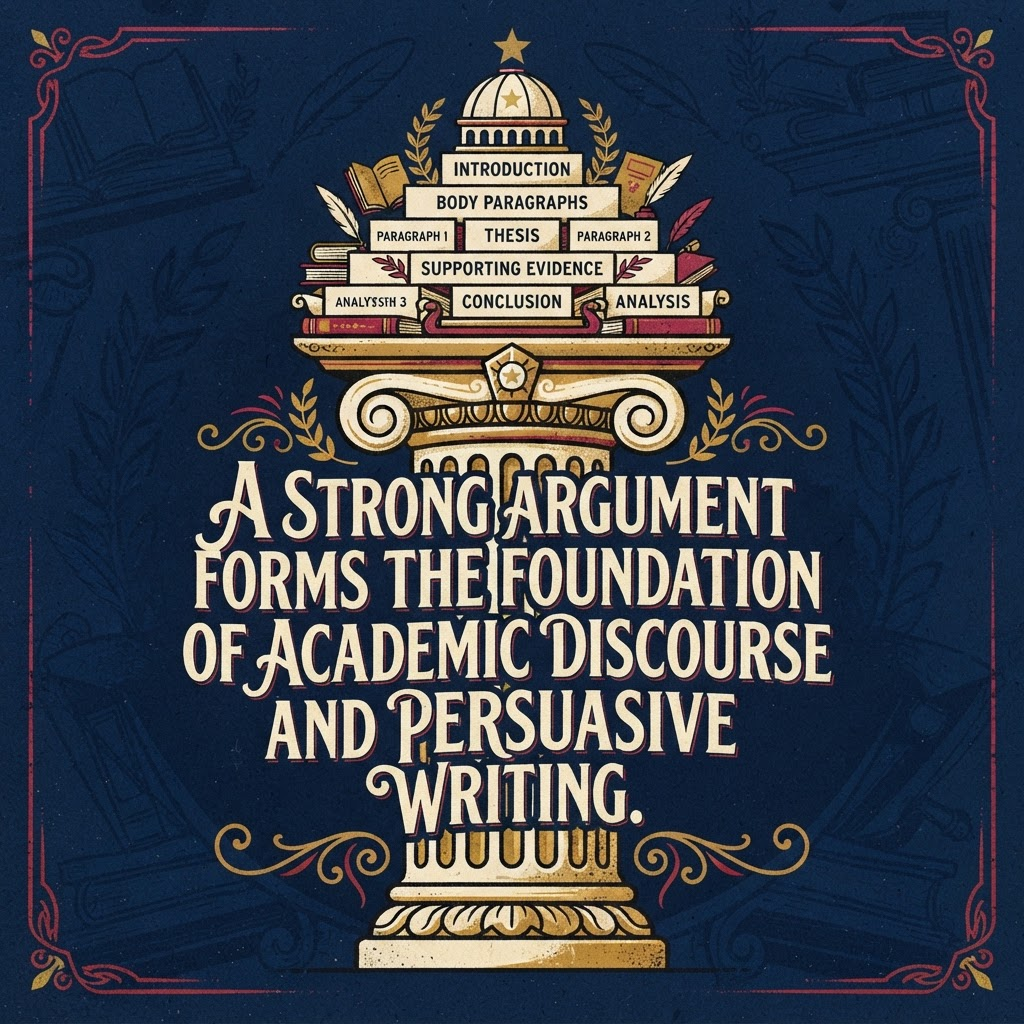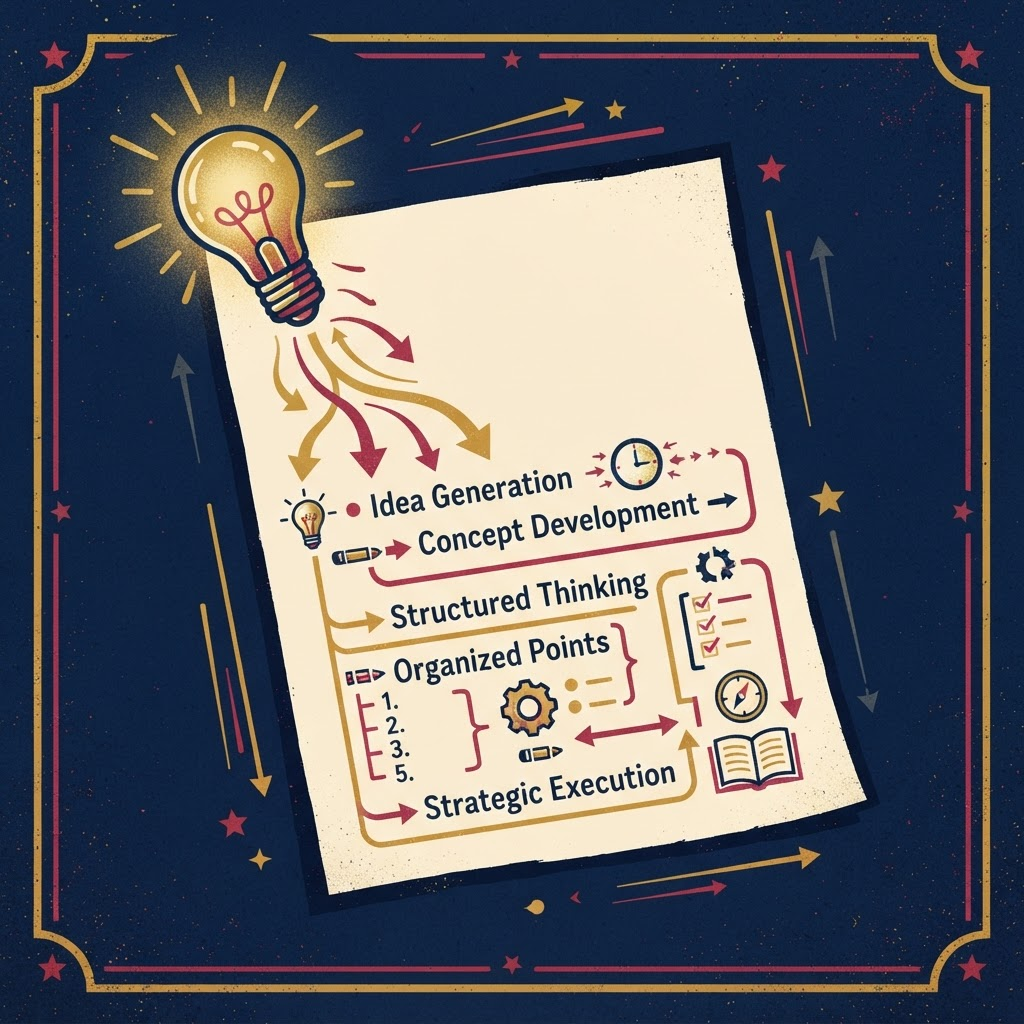
The hardest part of most papers is not the writing — it is the blank page before the writing. You have the assignment, maybe a topic, and no idea how to start. An outline fixes that.
A good outline turns a vague assignment into a paragraph-by-paragraph plan you can actually follow. Here is a repeatable, five-step method that takes you from the prompt to a structure you can draft from — while keeping every idea genuinely yours.
Step 1: Decode the assignment first
Before you brainstorm anything, translate the prompt into plain language. Circle the task verbs — analyze, compare, argue, evaluate — because they tell you what kind of paper is expected. "Describe" and "argue" require completely different structures.
Then list the concrete requirements: length, number of sources, format, and the specific questions you must answer. Most low grades come from ignoring the prompt, not from weak writing.
Step 2: Build a working thesis
Your outline hangs on your thesis, so draft one before you plan paragraphs. A working thesis is a single sentence that makes a specific, arguable claim. It can change later — but you need a target to aim at.
If you are stuck here, spend a few minutes on our guide to writing a strong thesis statement, then come back.
Step 3: Map your main points
Ask: what would a reader need to accept for my thesis to be convincing? Each answer becomes a body section. For most short papers, three to four strong points is plenty — more than that and each one gets too thin.
Write one clear topic sentence for each section. If you can state each paragraph's claim in a sentence, you have a real structure.
Step 4: Attach evidence before you draft
Under each topic sentence, jot the evidence you will use — a source, a quote, a data point, an example. This is where you find the holes early, while they are cheap to fix. An empty section now is a much smaller problem than a stalled draft at midnight.
Step 5: Reverse-outline to check the logic
Read your outline top to bottom and ask whether the points build in a logical order. Writing centers call the after-the-fact version of this a reverse outline: summarizing each section in one line so you can see the skeleton clearly and spot gaps, repetition, or a point that belongs earlier.
An outline is not busywork you do for the professor. It is the cheapest place to fix a paper — before a single paragraph is written.
A quick before-and-after
Vague plan: "Intro, some points about social media, conclusion."
Working outline: "Thesis: algorithmic feeds increase teen anxiety through design, not user choice. (1) Feeds reward comparison — evidence: platform design research. (2) Notifications exploit attention — evidence: example + source. (3) Counterargument: personal willpower — response: design overrides willpower."
The second version is almost impossible to get writer's block from.
Still staring at a blank page?
If you understand the method but want guided help applying it to your exact assignment, The Essay Outline Prompt Coach gives you seven copy-and-paste prompts that walk you from assignment instructions to a focused thesis and a finished, evidence-ready outline.
Common outlining mistakes
- Skipping the prompt. A brilliant outline for the wrong question still fails.
- Outlining topics, not claims. "Social media" is a topic; "feeds reward comparison" is a claim you can argue.
- Planning too many points. Depth beats breadth in a short paper.
Frequently asked questions
How detailed should an outline be?
Detailed enough that each body paragraph has a topic sentence and at least one piece of planned evidence. Beyond that, more detail is optional.
What if my argument changes while I draft?
That is normal and healthy. Update the outline as your thinking sharpens — it is a living map, not a contract.
Sources & further reading
- The Writing Center, University of North Carolina at Chapel Hill — Reverse Outlines: writingcenter.unc.edu
- Purdue OWL — The Writing Process: owl.purdue.edu